
Math Vocabulary: Connections and Context
By: Christine Quisley, VP of Higher Education
If I asked you to take out a piece of paper and write down a connection to a specific word would you do it? Let’s try it. Write down at least one thing or connection you think of when I say the word Base.

I’m guessing since this is the MCTM journal many of you connected to items like: Base 10 or Base 10 blocks.

There are those of you who also work in the STEM or STEAM world and thought of acid and bases.

Some may have went right to a sports connection such as baseball, softball, cheerleading.
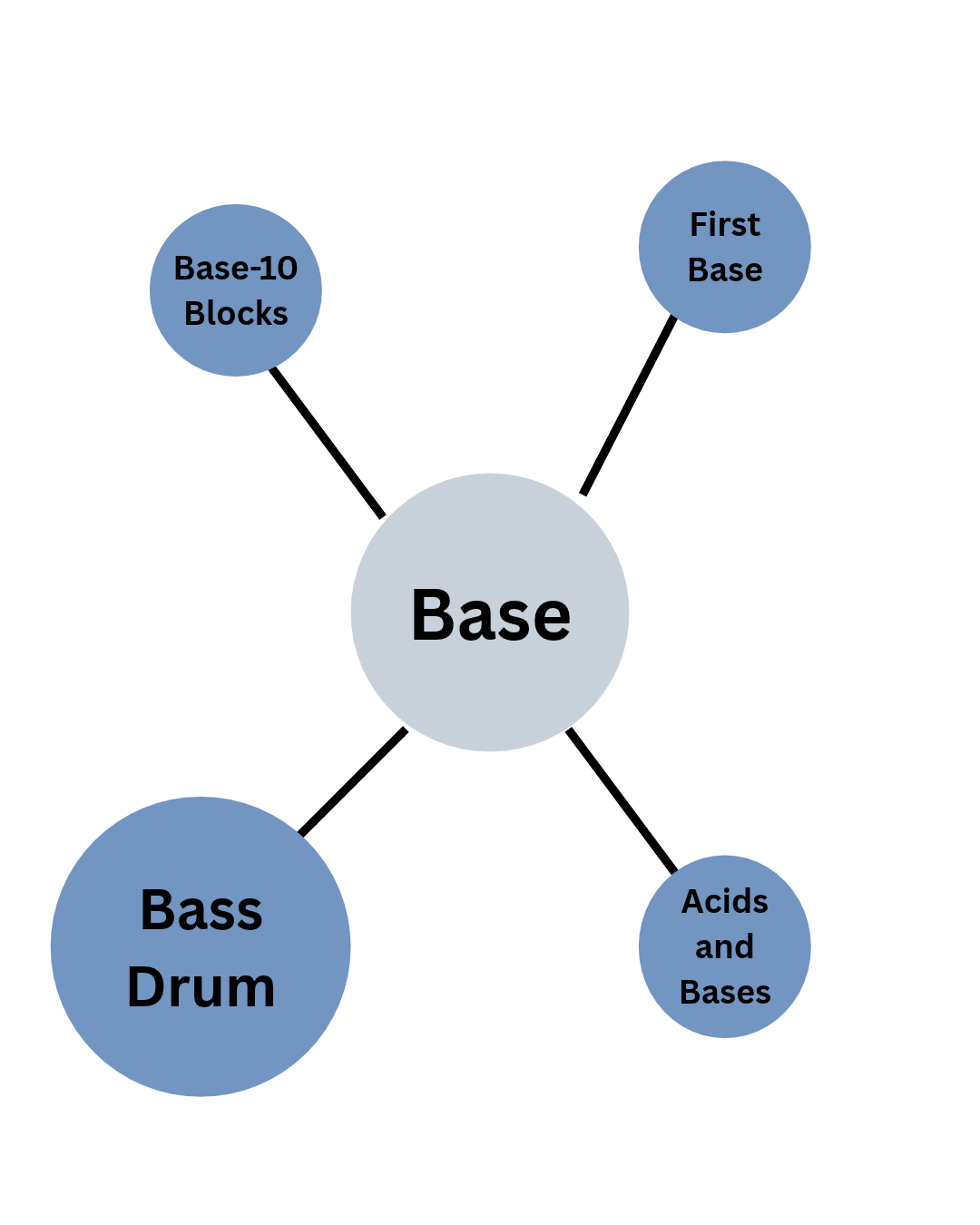
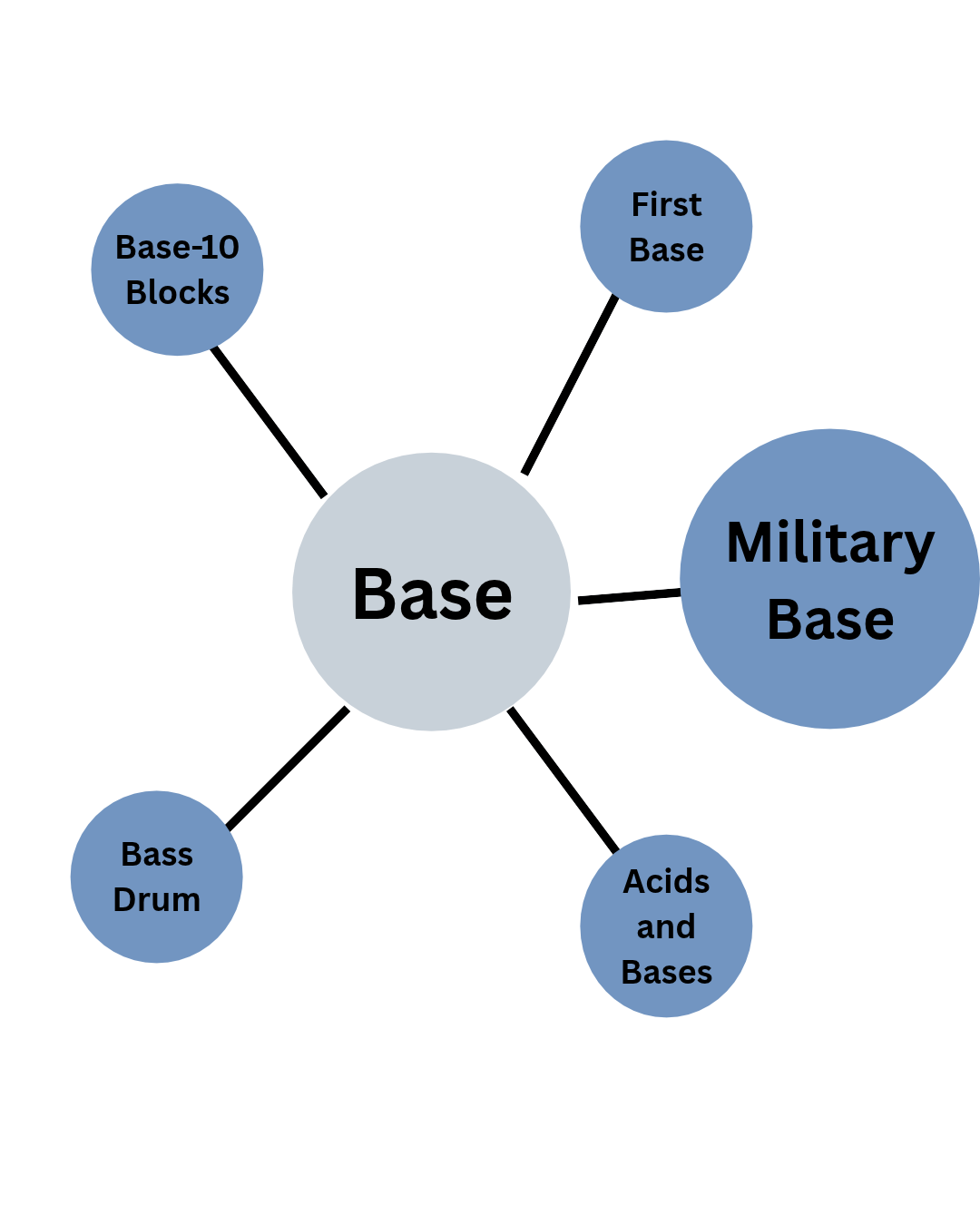
What about those of us who have a knack for music and thought about bass drum or bass note? Yes, I know they are spelled differently, however think about those in our classroom that may be pronouncing them as “base drum” I know I did when I was younger.
I also teach social studies methods, so I have some who think of military base.
We of course can’t forget about geometry and shape, the base of a three-dimensional shape.
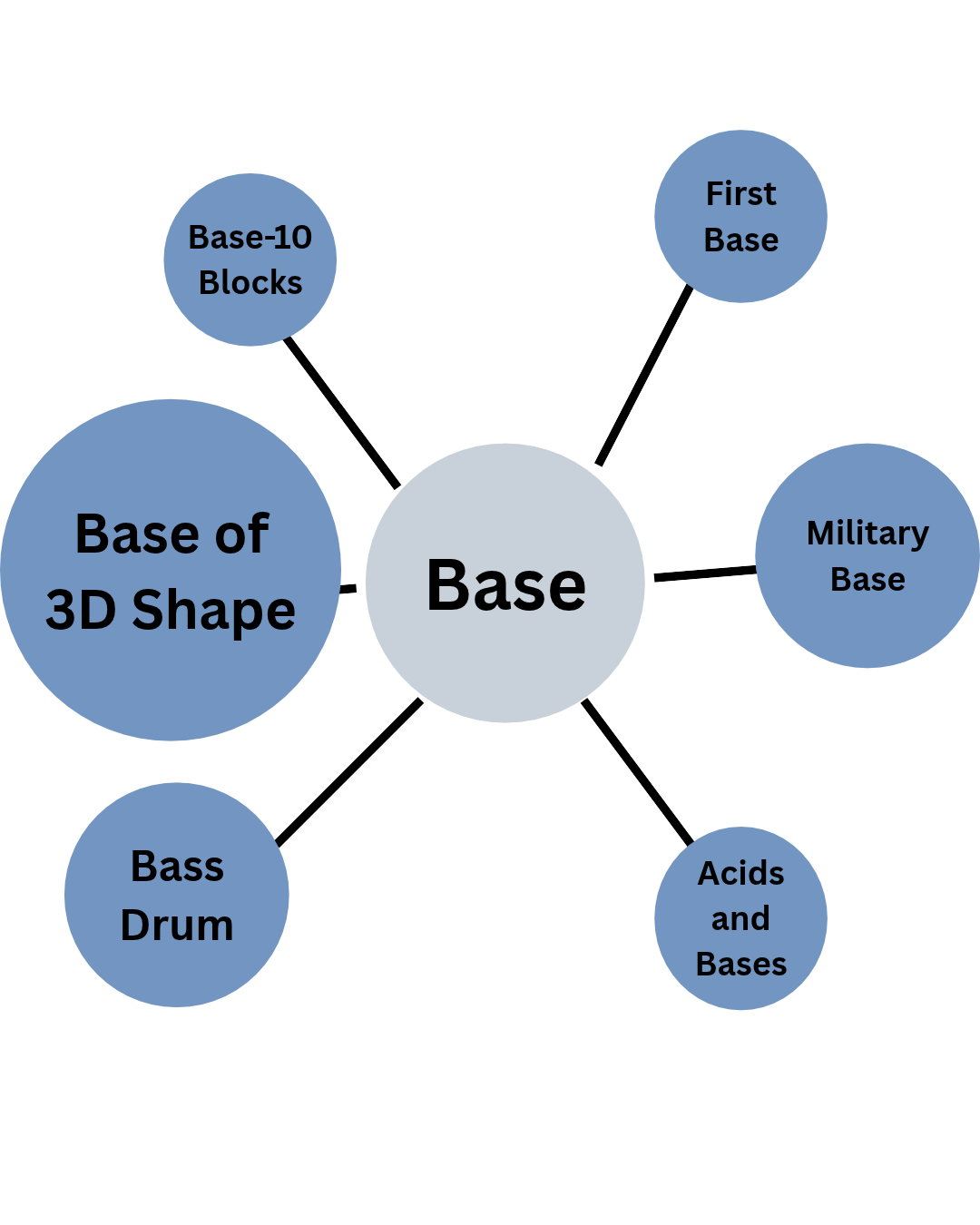
What’s my point…if we as adults are thinking in multiple directions what are our students thinking when they hear specific math vocabulary critical to the content. What if you did this same example with your peers either in the same grade or connecting grades would you all land in the same place?
We as teachers need to make sure we are understanding the math vocabulary/terms within the context it is being taught in. For example, if I’m teaching a measurement lesson and I say “unit” student may think about inch, centimeter, pound etc. However, let’s say that earlier in the year I told students that numbers are built from units, tens, hundreds etc. In later grades students will discuss “unit rate” and now have a similar yet different connection to make. My point is that if we as teachers do not have the same understanding of what specific terms mean in a context, how do we expect our students to. Also, when our students don’t have the same understanding what a great teachable opportunity to weave in a short discussion into our learning.
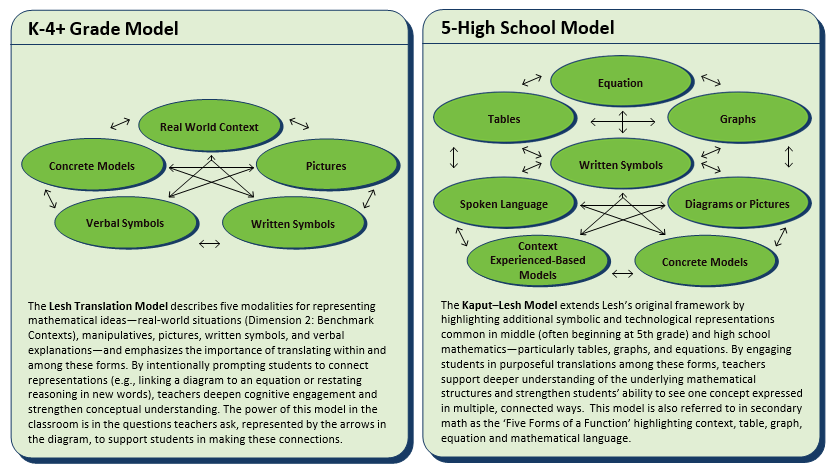 When we can facilitate a math learning opportunity to incorporate the different modalities as described by the Lesh Model we are setting up our students for success. Wait, is that term Lesh Model unfamiliar to you? I bet once you see it, you’ll recognize it. However, if you are unfamiliar with it, you are in luck, because it is one of the items included in the appendix document, Appendix K to be specific.
Remember, that these are resources designed for us as teachers. They’re there to help us revisit ideas, refresh our understanding, and sometimes remember concepts that may have been pushed aside by the latest initiative, meeting or task that landed on our desk. So, dive in, have conversations with your peers as you investigate the new standards. Browse the appendices and notice how the glossary is laid out by each anchor standard. When I have done this work with my colleagues we like to pose the questions, “What would this look like and sound like in our classrooms? How are we going to collect evidence of understanding beyond a computer program, a test or quiz? How are our students showing us? How are they getting messy with the math and making connections?”
Remember, no matter how large or small your school district or department is, MCTM and MN Math Leaders are here to help. There are online resources just a click away.
The next time you’re introducing a mathematical concept or term, pause and ask yourself: “What connections might my students be making right now?” If a room full of mathematics educators can hear the word base and think of completely different things, imagine the possibilities sitting in front of us each day. The glossary and appendices won’t answer every question, but they provide a common place to start the conversation.
Oh, and before I go, a little teaser for a future article: Let’s talk about why teaching students that certain words that always signal a specific operation might be causing more confusion than clarity. Stay tuned!